How Aquatic Therapy Speeds up Your Recovery From Surgery & Injuries
Aquatic therapy, also called hydrotherapy, uses warm water to rehabilitate the body after surgery or injury with minimal joint impact.
It reduces inflammation, restores mobility, maintains muscle mass and builds confidence during recovery.
Starting aquatic therapy before surgery can also shorten post-operative recovery time.
It is suitable for most post-surgical conditions, including hip and knee replacements and ACL reconstruction, once wounds are healed.
Always consult your doctor or physiotherapist before beginning a hydrotherapy program.
Surgery and injuries can bring everyday life to a standstill. Whether it is your training schedule or your daily routine that is affected, a swift and effective recovery is the priority. If you have researched ways to speed up rehabilitation, you have likely come across aquatic therapy, and for good reason. Here is why it is one of the most effective and widely recommended approaches to recovering from surgery and injuries.
What is Aquatic Therapy?
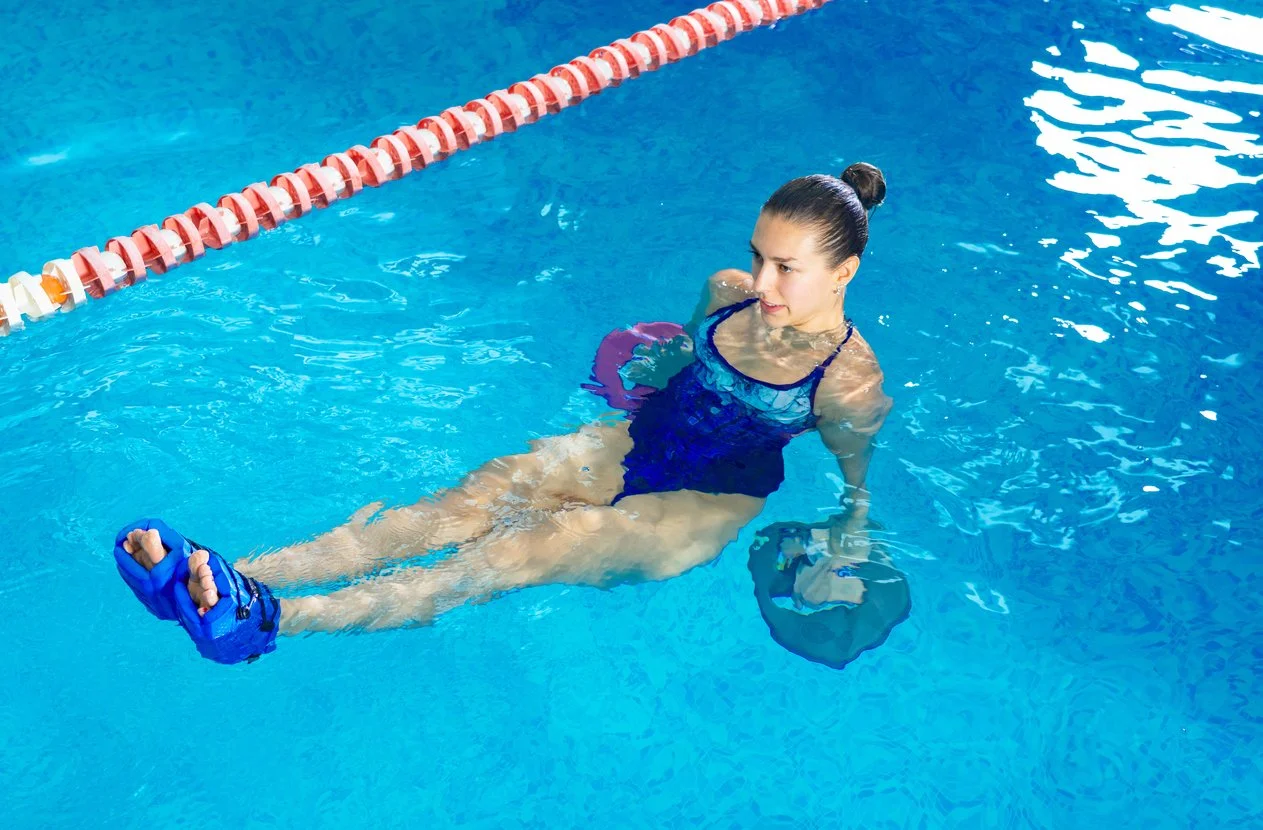
Aquatic therapy, also known as hydrotherapy, is a form of exercise performed in warm water that supports rehabilitation from surgery and injury. It provides a secure environment for practicing movements while limiting the impact on joints, muscles, tendons and bones. The warmth and buoyancy of the water enhance coordination and balance, making it a low-risk option during the early and mid-stages of recovery.
Aquatic therapy influences muscle energy, nerve function and inflammation, helping the body generate new cells for growth and repair, which is essential for a fast recovery. You can explore the full range of aquatic therapy services available at Aquatic Performance Training to find the right fit for your needs.
How Aquatic Therapy Can Speed up Your Recovery
Aquatic Therapy Reduces Inflammation
Warm water is highly effective at aiding rehabilitation because it enhances both circulation and tissue relaxation. When an injured body part is submerged, blood vessels dilate and blood flow increases significantly. As a result, the affected area receives more oxygen and nutrients, activating protective proteins that reduce cell stress and inflammation throughout the body. This reduction in inflammation is central to a quicker, less painful recovery.
Aquatic Therapy Improves Mobility
Warm, relaxed muscles allow for a fuller range of movement, which is critical at every stage of post-surgical and post-injury rehabilitation. Aquatic therapy is conducted in warm water specifically to encourage the movement of joints and restore the mobility levels you had before the operation or injury.
The buoyancy of the water naturally supports your body weight, making you effectively weightless as you exercise. This reduces the load on recovering joints and allows you to focus on achieving proper range of motion with each movement.
Aquatic Therapy Builds Muscle
If you were active before your surgery or injury, the drop in activity level during recovery can be frustrating. It is important to respect the recovery timeline rather than rushing it, but that does not mean your muscle has to deteriorate in the meantime.
Aquatic therapy allows you to stay active and maintain muscle mass without pushing your body too far too soon. Working with a qualified trainer through water-based personal training ensures your sessions are tailored to your current capabilities and recovery stage.
Aquatic Therapy Increases Confidence
Recovering from an injury in particular can shake your confidence in your own body and ability. It is important to remember that recovery is temporary, and with the right rehabilitation, your normal abilities will return.
Aquatic therapy provides a low-risk environment for practicing movements, rebuilding strength and developing mobility in a supported, weightless space. Many individuals who feel physically or mentally deflated following surgery or injury find that hydrotherapy sessions have a significant positive impact on their outlook and recovery progress.
Aquatic Therapy Can Help You Prepare for Surgery
The work you put in before surgery is just as important as what happens after it. Beginning aquatic therapy in the weeks and months leading up to treatment can have a meaningful impact on the speed and ease of your recovery. Pre-surgical hydrotherapy can:
Decrease recovery time, particularly for lower limb procedures such as knee and hip replacements.
Improve strength, endurance and stamina, so you enter surgery in a stronger physical condition.
Allow you to practice the exercises you will be performing as part of your rehabilitation program.
In some cases, reduce the level of pain experienced post-surgery.
Aquatic Therapy vs. Land-Based Rehabilitation
| Factor | Aquatic Therapy | Land-Based Rehabilitation |
|---|---|---|
| Joint impact | Very low (buoyancy reduces load by up to 90%) | Moderate to high |
| Inflammation reduction | High (warm water dilates blood vessels) | Relies on ice, compression or medication |
| Muscle maintenance | Possible from early recovery stages | Often limited until later in recovery |
| Range of movement | Easier to achieve due to buoyancy and warmth | Gravity can restrict early movement |
| Confidence building | High (low-risk, supported environment) | Can feel more daunting in early stages |
| Suitability pre-surgery | Yes, beneficial as prehabilitation | Yes, but higher injury risk |
Who Could Benefit Most From Aquatic Therapy?
Aquatic therapy can support recovery from most surgeries and injuries through improved blood flow, reduced inflammation and decreased load on joints. Hydrotherapy is particularly well suited to those recovering from:
Total or partial hip replacements.
Total or partial knee replacements.
Spinal decompression surgery.
Shoulder or rotator cuff surgery or injuries.
Abdominal and gynecological procedures.
Muscle strains or sprains.
Determining if Aquatic Therapy is Right for You
Aquatic therapy is beneficial for most surgical and injury recoveries, but it is always best to speak with a professional before getting started. Your doctor or physiotherapist can advise on the most appropriate treatment for your specific condition, as can the trained instructors at aquatic centers.
Your suitability for hydrotherapy will depend on your medical history and post-surgical condition. To reduce the risk of infection, any wounds must be fully healed before you enter the pool. It is also important to understand that aquatic therapy supports muscle and joint recovery and restores range of movement. It does not speed up the healing of open wounds.
For guidance on post-operative rehabilitation timelines and best practices, the National Institutes of Health research on aquatic therapy outcomes provides a useful evidence-based reference.
Speak to the Experts at Aquatic Performance Training
If you are preparing for surgery, have recently undergone treatment, or are managing a recent injury, aquatic therapy can provide the support you need to get back on your feet. To learn more, get in touch with the experts at Aquatic Performance Training. Offering both group personal training and individual sessions, our team can build a program that restores your quality of life without delay. We look forward to supporting your recovery.
Frequently Asked Questions
When can I start aquatic therapy after surgery?
The timing depends on the type of surgery and how quickly your wounds heal. In most cases, you can begin aquatic therapy once all incisions are fully closed. Your doctor or physiotherapist will advise on the appropriate start date based on your specific procedure and recovery progress.
How does aquatic therapy reduce pain after surgery?
Warm water dilates blood vessels, improving circulation and delivering oxygen and nutrients to healing tissues. The buoyancy of the water reduces the load on joints and muscles, allowing movement with less discomfort. Together, these effects decrease inflammation and ease post-surgical pain.
Is aquatic therapy better than physiotherapy on land?
Aquatic therapy and land-based physiotherapy each have distinct advantages. Hydrotherapy is particularly effective in the early stages of recovery when joint load needs to be minimised. Many rehabilitation programs combine both approaches to achieve the best outcomes at each stage of recovery.
Can aquatic therapy help with knee replacement recovery?
Yes. Aquatic therapy is one of the most effective tools for knee replacement rehabilitation. The warm water reduces swelling and pain while the buoyancy allows you to practice walking, bending and strengthening movements with far less discomfort than land-based exercises at the same stage.