
Physical Therapy for Total Hip Replacements in New Jersey
Essential Physical Therapy for Total Hip Replacements
If you're having a hip replacement, you'll have plenty of time to think about it in advance. Even if you're not on a waiting list, it won't happen the day after you ask your doctor to arrange it.
With good luck, you could be in the operating room relatively quickly, but you'll have time to prepare. And there is preparation to be done.
Pre-Surgery Preparation: Setting Yourself Up for Success
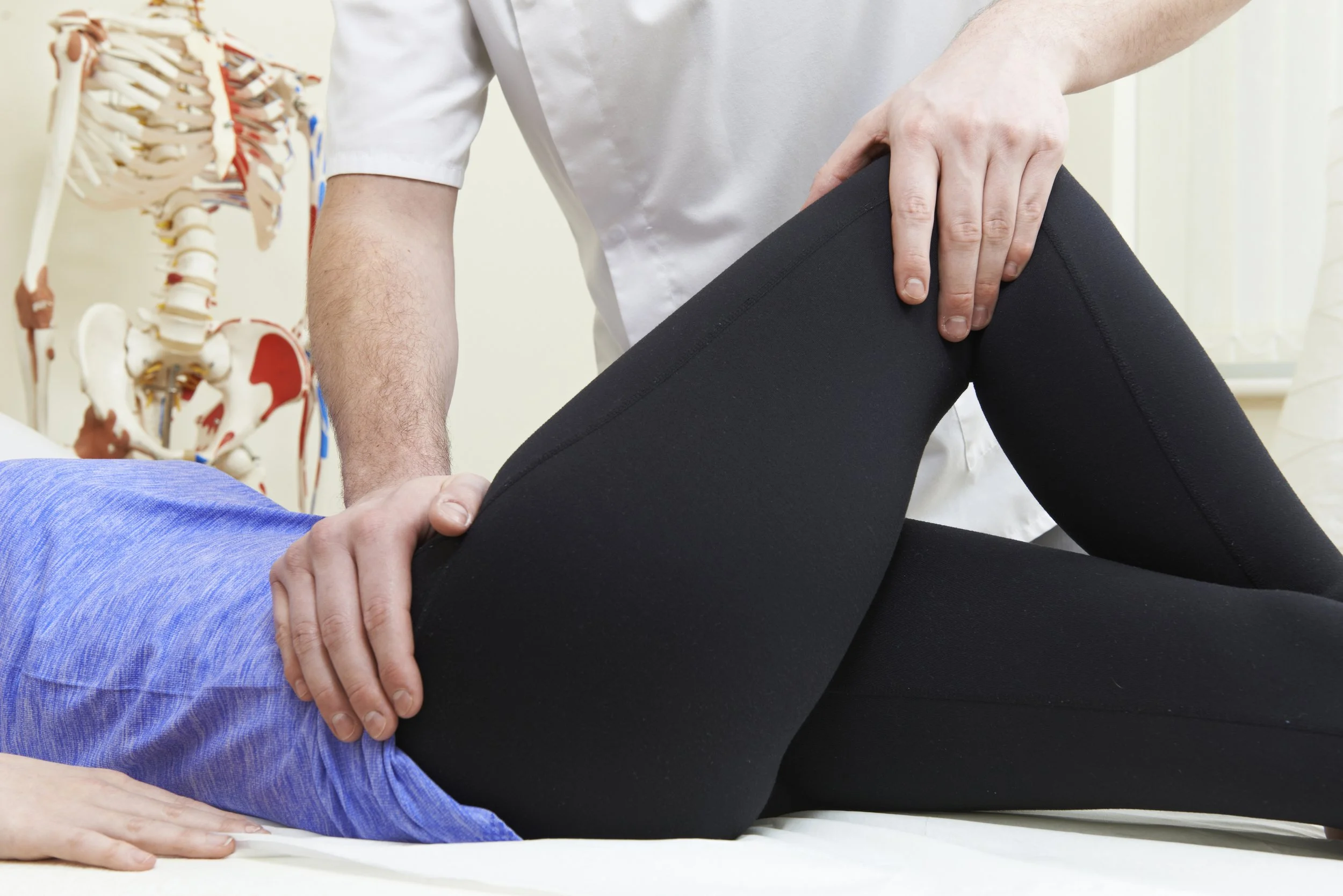
To undergo any major surgery, it's wise to be in the best physical shape you can manage. Several factors can improve your surgical outcome and recovery:
Physical Conditioning
- Weight management: Losing excess weight reduces stress on the new joint and improves surgical outcomes
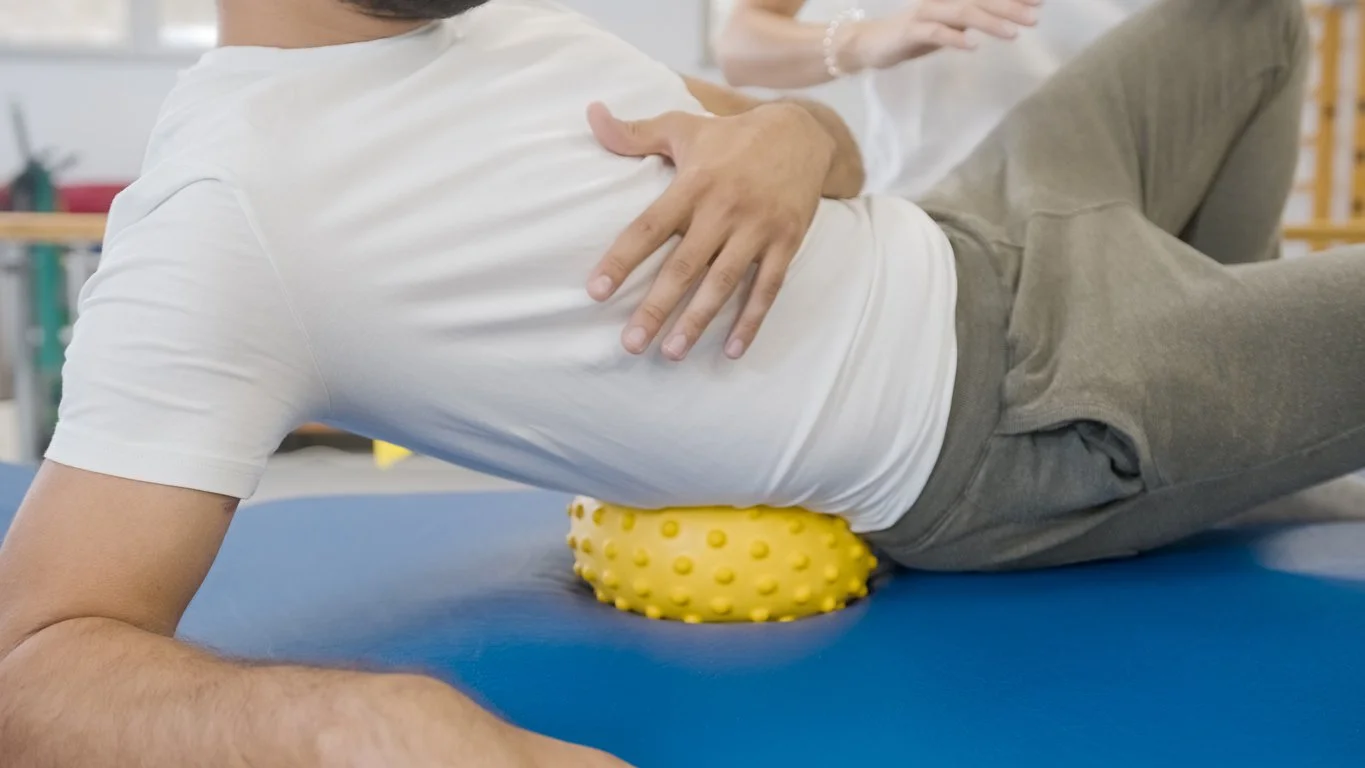
- Muscle building: Strengthening the muscle groups around your hip gives you a foundation for faster recovery
- Cardiovascular fitness: Good heart and lung health helps you handle the stress of surgery better
Lifestyle Modifications
If you're a smoker, doctors strongly recommend you stop for general health reasons. This kind of procedure is stressful for the whole body, and you need to be in good condition in terms of breathing and circulation, not to mention blood pressure. Physical therapy for hip replacement therefore starts before the procedure, giving the patient the best chance of a successful outcome.
Understanding the Surgery
Hip replacement surgery involves practical skills, and a good surgeon has a firm but deft touch. The hips are stout, sturdy joints. They have to be because of all the work they do in our lives and all the weight they bear. When a hip needs replacement, it's usually because it's physically worn. Normal smooth working has been impaired by years of pressure, friction, and general deterioration.
Immediate Post-Surgical Recovery: The Hospital Phase
Skipping forward to the immediate period after the operation, there will be a few days when you're in a hospital bed recovering from the physical trauma of having your skeleton repaired.
Soon, though, it will be time to get some movement going, and muscle strength will be important. This is where your pre-surgery preparation pays dividends. The hip muscles and knee muscles will have work to do, and the rest of your body will also be adjusting.

Understanding Your Body's Compensation Patterns
While you've been protecting your painful hip by walking in an unnatural way and sitting in certain positions, your entire body has adapted. With your new hip, you should return to normal posture and conventional movements, but it may take some getting used to. Your body has to unlearn months or years of compensation.
Hip replacement surgery is a well-traveled path now, and you'll receive detailed instructions on what to do and not do. Physical therapy sessions with a qualified trainer will be safe enough because you'll be closely supervised. But once you're out of the hospital and back in your old routine, you'll need to be extra careful.
Critical Post-Surgery Guidelines
It's vitally important to stick to your program. That means putting in the required amount of effort but not overdoing it. Some people heal more quickly than others, and you need to find your level. Pushing yourself too hard can be counterproductive.
Follow these essential rules:
- Take breaks between sessions: Rest and prepare for the next one
- Use prescribed medications: Anti-inflammatory medication as directed
- Apply ice appropriately: To the incision site to help with recovery
- Elevate when resting: Keep the leg elevated above the level of your heart if instructed
- Follow all medical advice: Whatever your doctor and hospital staff have told you to do, you must do it
If something is problematic, talk to your medical team about it. Don't try to tough it out or make your own adjustments.
Post-Surgical Hip Precautions: Safety is Our Priority
At Aquatic Performance Training, we're expert therapists who can help you keep the progress going, and we take the role very seriously. Safety is paramount. When you're with us, we can monitor that closely, but you must take responsibility when you're on your own.
Managing Pain and Discomfort
While a certain amount of discomfort is expected in the circumstances, don't tough it out unnecessarily. If the pain level isn't steadily decreasing as the healing process continues, talk to your doctor about it.
Recovery Timeline Expectations
On average, it can take between two and four weeks to make significant progress in your recovery, but everyone is different. Factors that influence this include:
- Age: Younger patients often recover more quickly
- General health: Overall fitness level affects healing speed
- Body's natural healing ability: Some people bruise easily, others bleed easily, and some heal quickly
- Pre-surgery conditioning: Better preparation leads to faster recovery
- Commitment to therapy: Consistent effort produces better results
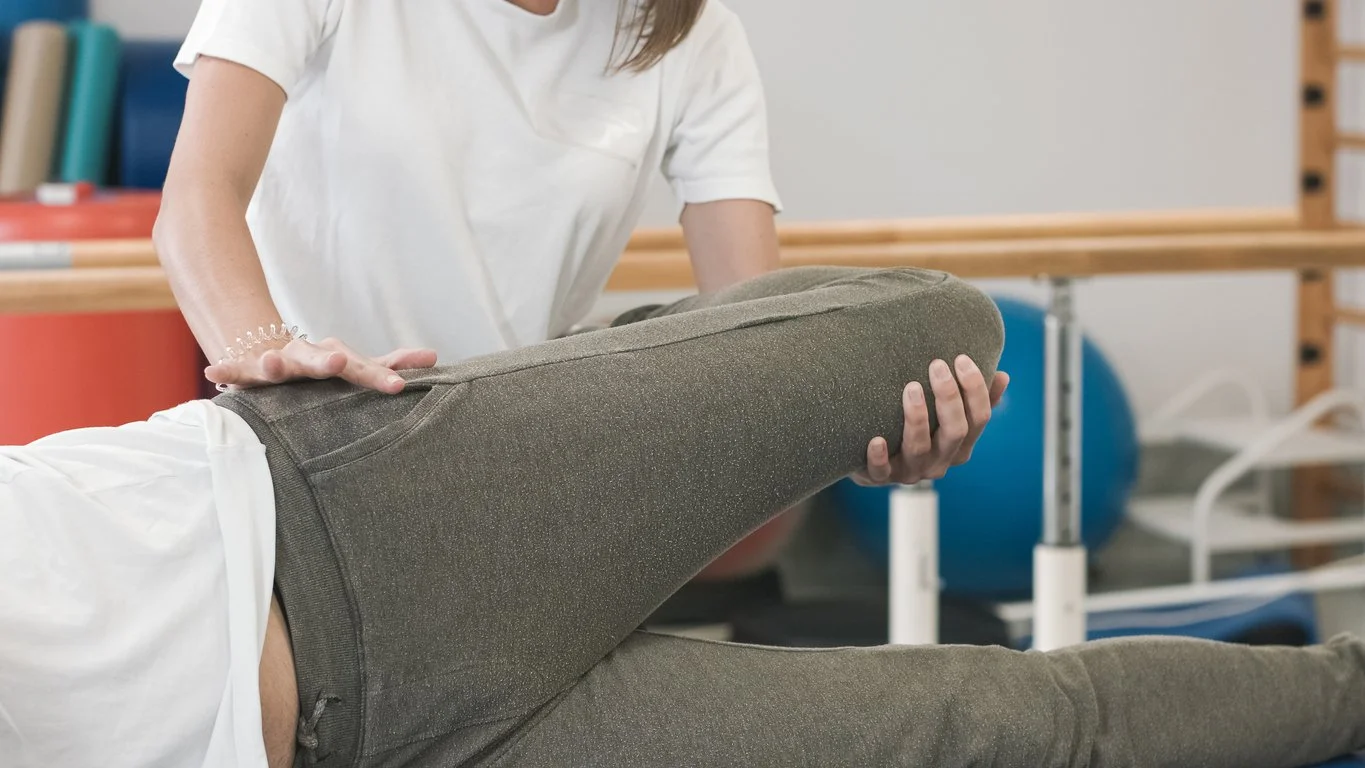
You may be a quick healer or a slower one. Don't compare yourself to others. Focus on your own steady progress.
The 3 Phases of Hip Replacement Recovery
Phase 1: Initial Healing (Weeks 1-6)
The first phase of hip replacement recovery is largely down to the body itself. It will start healing flesh and soothing nerves as soon as the procedure is finished.
What you can do to help:
- Get plenty of rest
- Take medication as prescribed
- Follow the program you've been given
- Attend all follow-up appointments
- Watch for warning signs of complications
This phase is about protection and allowing natural healing to occur. Patience now prevents problems later.
Phase 2: Active Rehabilitation (Weeks 6-12)
Phase two involves gentle exercise, and it can take several weeks, but again, it varies by individual. To help with this phase, do what your therapist asks you to do. Don't shirk, but don't try to impress anybody either. Do it by the book and let expert opinions and experience guide you.
During this critical phase, you'll work on:
- Range of motion: Gradually increasing how far you can move the hip
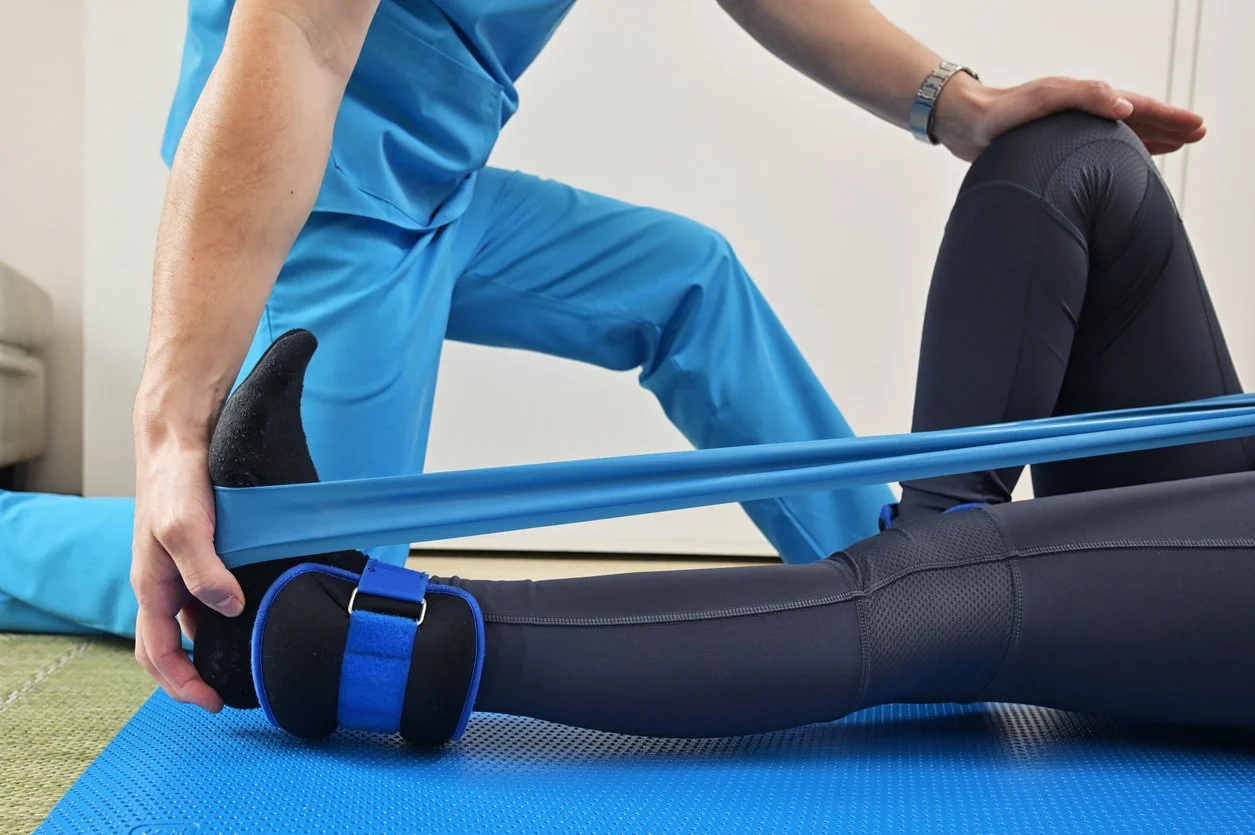
- Strength building: Progressive exercises to rebuild muscle
- Balance training: Retraining your body's stability systems
- Gait practice: Learning to walk normally again
- Functional movements: Practicing daily activities safely
Phase 3: Return to Normal Activity (Months 3-6+)
Once normal movement is established, it's time for phase three: behaving normally. Here's where you can stop thinking of yourself as a patient and be yourself again, carefully.
This doesn't mean you're finished with therapy. It means you're transitioning from rehabilitation to maintenance and continued improvement. Many people continue with exercise programs to maintain their new mobility and prevent future problems.
Why Aquatic Therapy Accelerates Hip Replacement Recovery
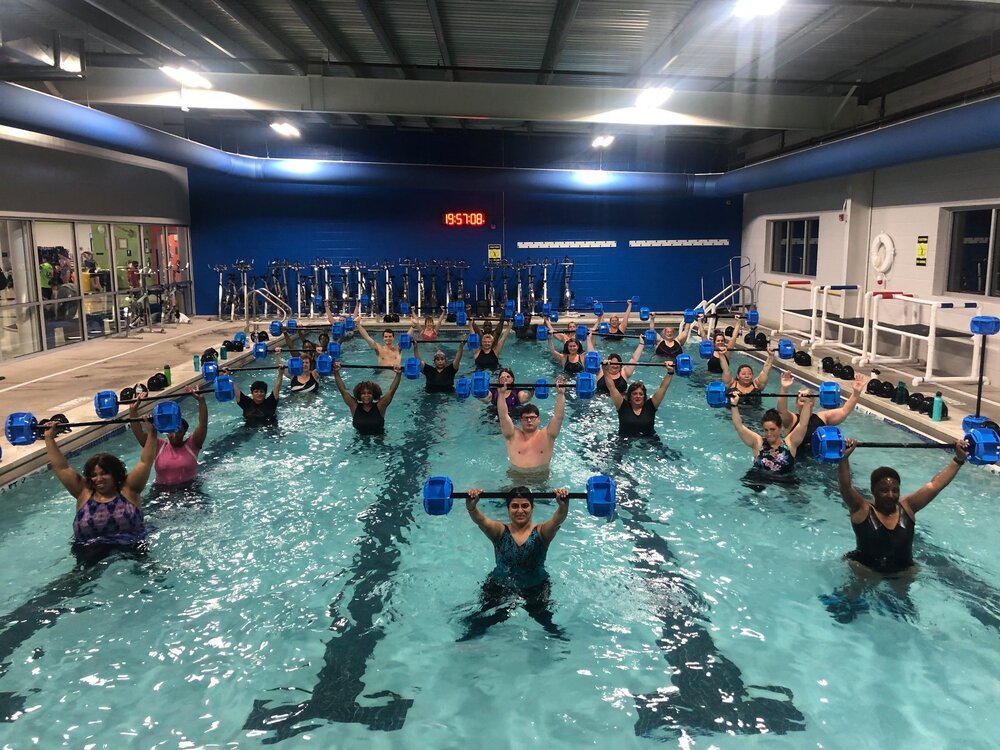
Warm water relaxes muscles and makes movement easier. Water also provides support for the body and facilitates smooth movement while avoiding jolting and jarring. It cushions the body and makes for untroubled mobility.
The Aquatic Advantage for Hip Recovery
- Early mobilization: Water buoyancy can reduce your effective body weight by up to 90% when immersed to the neck. This means you can practice walking and weight-bearing exercises much earlier than would be safe on land.
- Pain-free movement: The warm water temperature (typically 92-94°F) relaxes muscles and increases circulation, reducing pain during exercise. You can work harder with less discomfort.
- Balanced strengthening: Water resistance is multidirectional, meaning you strengthen muscles evenly around the hip joint. This prevents the muscle imbalances that often develop with land-based therapy alone.
- Cardiovascular benefit: You can maintain or improve your overall fitness during recovery, which is difficult with traditional hip rehab that limits many activities.
Our Aquatic Equipment
Our underwater gym features:
- Underwater treadmills: Adjustable speed and water depth for progressive weight-bearing
- Aquatic bikes: Building strength and endurance without impact
- Resistance equipment: Targeted strengthening for hip and leg muscles
- Balance platforms: Stability training in a safe environment
That's why we use aquatic therapy. It adds careful, gentle support to our tried and tested physical therapy. And that makes recovery quicker and safer.

Our Scientifically Proven Method Can Help You Reach Peak Fitness Without Putting Unnecessary Pressure On Your Joints
Aquatic Performance Training is on a mission to revolutionize aquatic rehabilitation, exercise physiology, and performance training by educating clients and health professionals on the correct use and methods of aquatic training.
Your Expert Hip Replacement Physical Therapy in Lawrenceville NJ
We have fully equipped therapy centers and trained, qualified physical therapists in Lawrenceville and Monroe, New Jersey. You don't need to go any further afield than that to find expert hip replacement physical therapy.
What Makes Our Approach Special
- Individualized programs: Your treatment plan is designed specifically for your situation. Your age, overall health, surgical approach, and personal goals all factor into your customized program.
- Progressive challenge: We constantly adjust your program as you improve. You're always working at the right level, never too easy, never too hard.
- Combined approach: We integrate aquatic therapy with traditional land-based exercises for comprehensive recovery.
- Medical coordination: We work closely with your surgeon and physician to ensure your therapy aligns with your medical treatment plan.
- Long-term focus: We don't just get you walking again. We prepare you for an active, fulfilling life with your new hip.
Start Your Recovery Journey: Schedule Your Evaluation
To get started with your recovery, just fill in our online form and let's get you booked for an evaluation. Once we get to know you and understand how we can help, we can get your new hip functioning perfectly and your body back to normal.
What Happens at Your Evaluation
Your initial evaluation includes:
- Medical history review: We'll discuss your surgery, current medications, and any complications
- Physical assessment: We'll evaluate your current mobility, strength, and pain levels
- Goal setting: Together, we'll define what success looks like for you
- Treatment plan: We'll design your customized rehabilitation program
- Questions answered: We'll address any concerns you have about the process
Your New Hip, Your New Life
Hip replacement isn't the end of an active life. It's the beginning of a pain-free one. With proper rehabilitation, most patients report they wish they'd had the surgery sooner. The months of recovery are worth it for years of comfortable, active living.
Your new hip can last 15 to 20 years or more with proper care. The rehabilitation you do now determines how well it functions and how long it lasts. Invest in your recovery. Your future self will thank you.
Don't let uncertainty or fear hold you back. Contact Aquatic Performance Training today and take the first step toward getting your life back. Your journey to a pain-free, active future starts with one simple action: reaching out to us.
Physical therapy for hip replacement done right makes all the difference. Let us show you what's possible.