
Physical Therapy for Joint Replacements in New Jersey
Recover Faster with APT Joint Replacement Physical Therapy Programs
Joint replacement has become almost commonplace in modern medicine. Everyone knows someone with a new hip or knee, and the transformation can be remarkable. The relentless background pain from a worn-out joint can turn a pleasant person grumpy and a sunny personality negative. Joint replacement can reverse that almost immediately.
Almost. The procedure removes the cause of pain and transforms a troublesome joint into one that does its job quietly and without being noticed. We take our fully functioning bodies for granted, and perhaps that's how it should be. But a new joint is an intruder, albeit a welcome one. It needs to be eased into action carefully.


Even though the new joint functions as a hip or knee should, the body has spent months or years compensating for the defective predecessor. You've been shielding it, trying to take strain off it, and overcompensating in ways that threw other parts of your body out of balance. Muscles weakened. Movement patterns changed. Other joints took on extra stress.
When this pristine, perfect new replacement is introduced, your body needs time to adapt. That's why we need physical therapy for joint replacements. You need a structured program that will steadily get your body functioning properly again. The roadmap to recovery must be planned and implemented by trained, qualified professionals who can regulate the process safely.
The person who has had the replacement plays a huge role in joint replacement physical therapy. Your attitude is crucial. Without your effort and determination, no progress happens. Joint physical therapy is therefore a true partnership between the recovering individual and the supervising, motivating professional.
Goals of Post-Surgical Rehabilitation: What We Aim to Achieve

Complete recovery is the ultimate aim, but it's made up of different elements working together.
First, there's the flawless, painless movement of the joint itself. That's the result of a successful procedure by a skilled surgeon. Then comes the process of restoring everything else:
- Tissue healing: Tissue that was disturbed or damaged during surgery needs time and proper care to heal
- Muscle rebuilding: Muscles that lost bulk and power must be built back up gradually
- Movement restoration: Working parts that haven't moved properly, possibly for years, need to be eased back into the chain of movements
- Tendon and ligament recovery: These connective tissues need to regain their flexibility and strength
The healing process needs encouragement, not compromise through unwise movement and strain. For the recovering person (who moves further from being a "patient" every day), this can be worrying. You don't know what to do. Would this movement be positive or counterproductive? Is this discomfort harmful or just part of the process?
You need expert guidance from someone who understands the mechanics. Someone who knows about tendons, ligaments, and cartilages. Physical therapy for joint replacements is a multi-stage process and it takes time.
Recovery can be relatively quick or slow, depending on the individual. Some people simply heal faster than others. It's important to remain positive even if your process takes a while, and realistic if it's going well. The road to complete recovery can be deceptive. We only have to look at athletes who "come back too soon," only to succumb to the same injury again or a related one caused by the body protecting the original problem.

Joint Replacement Recovery Timeline: From Hospital to Home
Time spent in hospital is essential immediately after surgery. At the very early stages, great care is required. If there were to be any adverse reaction, you need to be in the right place with help at hand.
That said, getting out of hospital and back to some normality provides a psychological boost. You're no longer the helpless patient. You're on the road to recovery. A degree of mobility in the joint should be apparent within weeks, and your discharge date will be at the specialist's discretion. Expect weeks rather than months.
Once you're home, you assume more responsibility and the rehabilitation work can begin in earnest, under strict supervision. As mobility continues to improve because things are settling down and beginning to heal, it's time to start physical therapy for knee replacements (if yours is a knee) or physical therapy for joint replacements of any other type.
Why Aquatic Therapy is Critical for Early Joint Rehab
The need for gentleness cannot be overstated in the early stages. That's where the subtle power of water becomes hugely beneficial.
Water takes pressure off the lower limbs by replacing gravity with its own supportive forces. Your body weight is supported by the water, enabling you to do simple walking exercises without exerting much pressure on the new joint. This is revolutionary in early rehabilitation. You can practice normal movement patterns without the risk that comes with bearing your full weight.
The warm water temperature relaxes muscles that are naturally tense after surgery. The natural resistance of water provides gentle strengthening without impact or jarring. You can begin rebuilding muscle and practicing movement much earlier than would be safe on dry land.
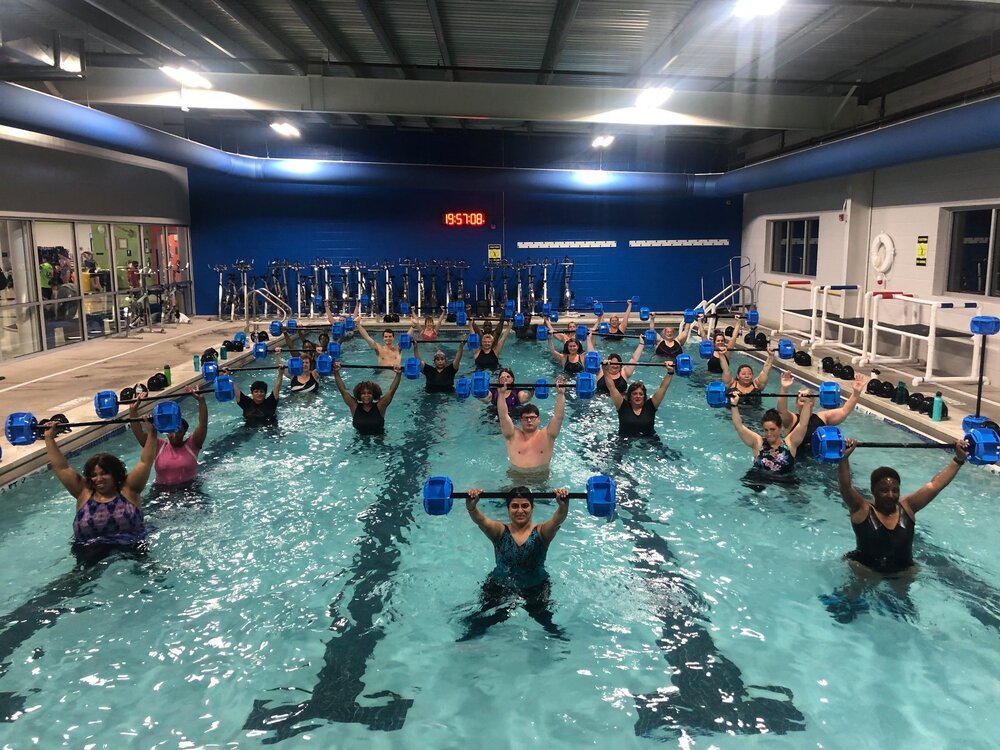
From there you can progress to machines in a quality aquatic therapy center. Underwater bikes, treadmills, and strength training equipment each play a specific role in physical therapy for joint replacements. While you'll still be following doctor's orders, a suitably trained, qualified therapist can take over the hands-on treatment and close supervision.
Your Comprehensive Treatment Plan: From Pre-Habilitation to Land-Based Strengthening
Your initial consultation with us at Aquatic Performance Training (Lawrenceville and Monroe) will be a learning experience on both sides. We'll get a complete picture of your joint issue, medical history, current mobility level, and recovery goals. You'll learn about how we can help you and what to expect at each stage.
The hydrotherapy equipment can seem unusual at first. Exercising underwater is different from anything most people have experienced. But you'll adapt quickly and feel the benefits almost immediately. Many patients report being surprised by how much they can do in the water compared to on land.
Your treatment plan will progress through carefully designed stages:
- Early mobility work: Gentle movements in warm water to restore range of motion
- Strength building: Progressive resistance exercises using water and equipment
- Balance and coordination: Exercises that retrain your body's movement patterns
- Land transition: Gradual shift to dry-land exercises as strength and confidence build
- Functional training: Real-world movements that prepare you for daily activities
Eventually, you'll be back on dry land full-time. That's when your roadmap to recovery will see the horizon approaching and you'll know you're well on the way.
Lose Weight And Get Lean With Impact Free Aquatic Exercise Training At Our Leading Aquatics Fitness Center
Register now and discover how you can burn up to 800 calories in one session, lose weight and get lean while improving your injuries, cardiovascular endurance and flexibility without putting unnecessary pressure on your joints.

Our Scientifically Proven Method Can Help You Reach Peak Fitness Without Putting Unnecessary Pressure On Your Joints
Aquatic Performance Training is on a mission to revolutionize aquatic rehabilitation, exercise physiology, and performance training by educating clients and health professionals on the correct use and methods of aquatic training.
What Makes Our Approach Different
At Aquatic Performance Training, we understand that no two recoveries are identical. Your age, overall health, the specific joint replaced, and your goals all factor into your customized program. An athlete returning to competition needs different preparation than someone who wants to garden comfortably or play with grandchildren.
We don't rush the process, but we don't waste time either. Each session builds on the previous one. You're challenged appropriately for your current capability, never pushed beyond what's safe, but consistently encouraged to progress.
Our staff monitors your form closely. Small adjustments to how you're moving can make a significant difference in outcomes. Poor form can reinforce bad habits or even cause injury. Proper form maximizes benefit and builds the correct movement patterns your body needs.
We also recognize the emotional component of recovery. Joint replacement often comes after years of pain and limited mobility. Finally being pain-free is wonderful, but the rehabilitation process can be frustrating. Having support from professionals who understand this journey makes a real difference.
Success in joint replacement physical therapy comes from the combination of expert guidance, appropriate equipment, proper progression, and your personal commitment. We provide the first three. You bring the fourth. Together, we'll get you back to the life you want to live.