
Physical Therapy for ACL Tear
We Offer Physical Therapy for ACL in New Jersey
With wall-to-wall sports coverage in the media these days, there's an endless appetite for in-depth analysis and technical detail. Coverage extends beyond skills to include the injuries that athletes sustain. Sport often involves putting the human body through sharp, heavy, and sometimes unnatural movements. We want to be faster, stronger, and more flexible than our rivals, but we've only got one body. When it gets damaged, we have to get it fixed.
One term that has become so commonplace its acronym is often used without explanation is the ACL. Let's demystify it right here.


ACL stands for anterior cruciate ligament. It's not as complex as it sounds:
- Anterior means at or near the front
- Cruciate means cross-shaped
- Ligament is a strong piece of tissue that joins bones together
So when someone has an ACL injury, it's damage to the cross-shaped piece of tissue at the front of the knee. Most of us will never see one because it's inside and only visible to a surgeon during a procedure. But it's a vitally important piece of the body's connective tissue.
Until relatively recently, an ACL tear was extremely difficult to repair completely. If a soccer player tore an ACL, that was often the end of their career. Even if the repair was successful, they'd say, "I was never really the same again. My speed off the mark had gone."
Happily, that's something we hear less often these days because ACL surgery has improved vastly in its effectiveness. But the surgery is only the start. Then comes physical therapy for an ACL tear, which is vitally important to get that essential joint back in perfect working order.
Phase 1: Immediate Post-Injury and Acute Recovery (Weeks 1-4)
Immediately after surgery, the body starts healing itself, and it must be allowed to do this. What follows is a delicate balance between leaving things alone and getting them moving again.
Initially, there will be no movement at all. The person progresses from injured to recovering. The surgeon and physiotherapy staff at the hospital will issue strict instructions on what you should and should not do.
During this critical phase, your focus should be on:
- Managing swelling and pain: Ice, elevation, and prescribed medications help control inflammation
- Protecting the repair: Your knee may be in a brace to prevent harmful movements
- Maintaining overall fitness: Upper body exercises keep you active without stressing the knee
- Early gentle exercises: Simple ankle pumps and quad sets maintain circulation and prevent muscle atrophy
This phase is frustrating for active people. You want to get back to normal immediately. But patience now prevents setbacks later. Your body is doing essential repair work at the cellular level. Rushing this stage compromises the entire recovery.
Phase 2: Strength Endurance and Basic Function (Weeks 4-12)
Soon enough and this will vary for each individual, but typically after four weeks, the process of rebuilding strength and fitness can begin. That means getting exercise into the knee while it's still healing itself. This must be approached with great care and expert supervision.
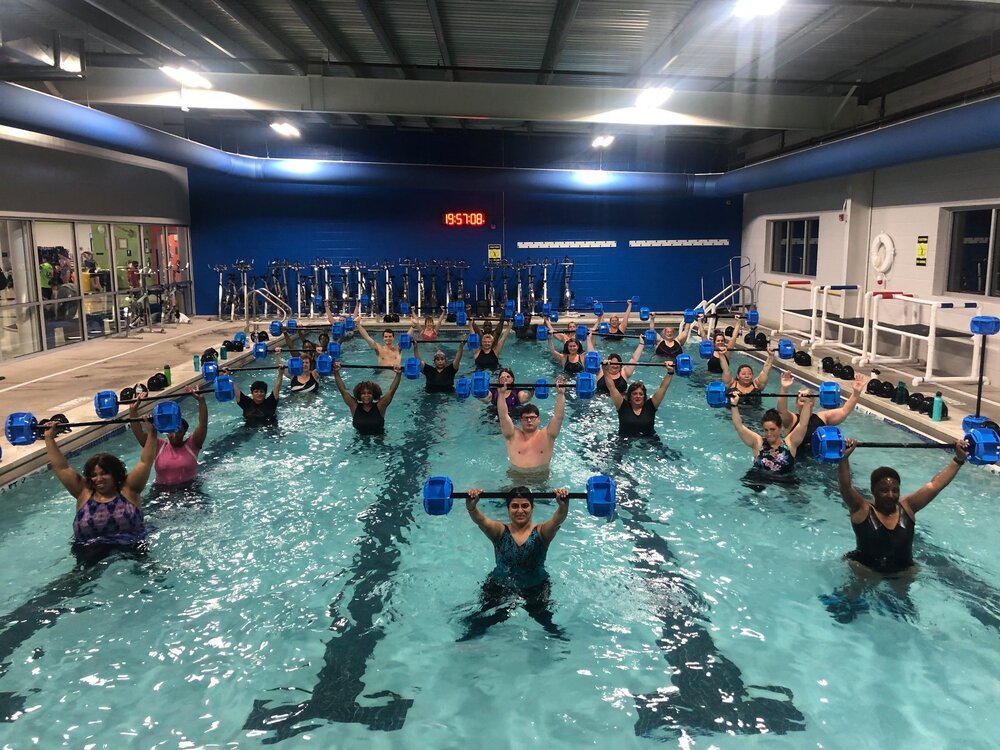
You'll be back at the hospital regularly so the team can monitor your progress. They'll encourage you to do ACL tear physical therapy exercises. The best approach is to register with a specialist in physical therapy for ACL. In New Jersey, that can mean us: Aquatic Performance Training. We're physical therapists who use the incredible healing properties of water to assist the process.
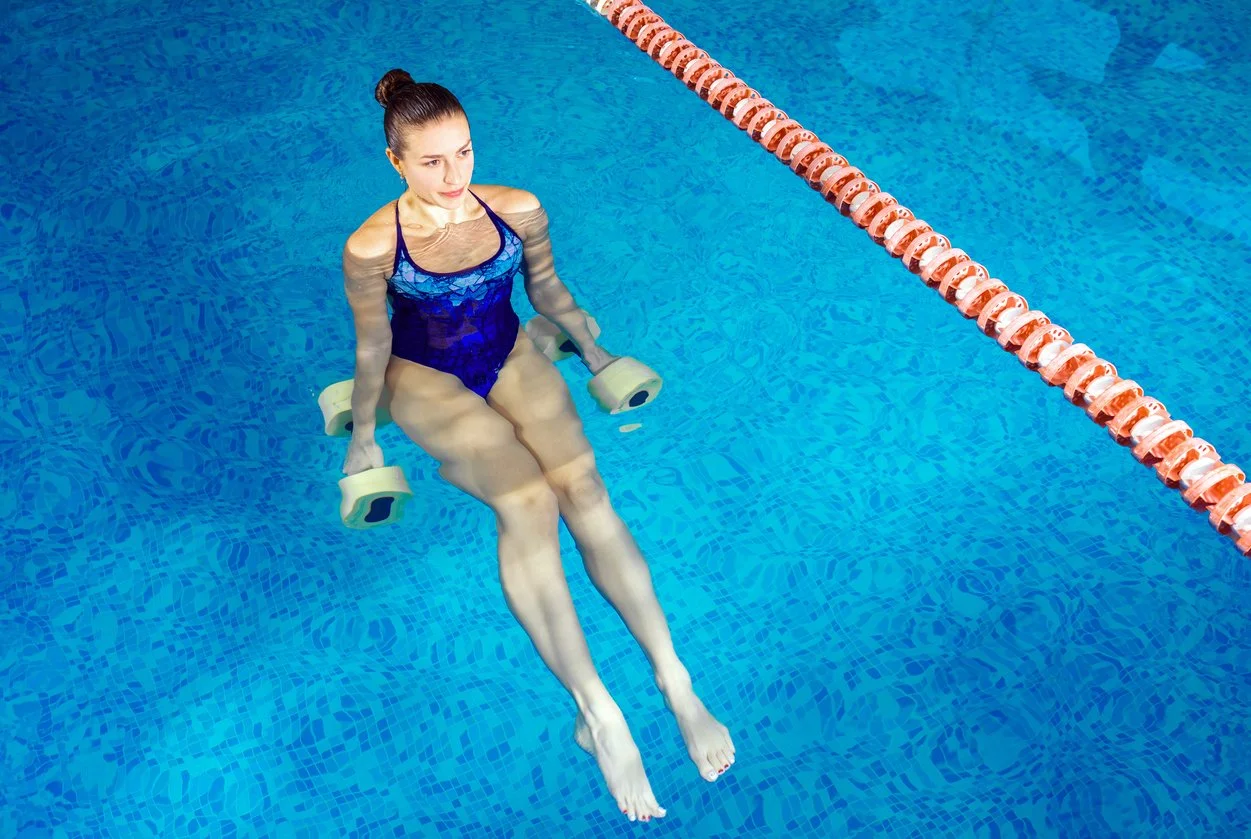
It starts with temperature. Warm water relaxes muscles that are naturally tense at this stage because you're subconsciously thinking about self-protection. Your body wants to guard the knee, which creates tension throughout your leg.
A key attribute of water is that it reduces impact. You can put your leg through natural movements that put weight on the knee joint, but that pressure is reduced significantly. The water calms the whole process of movement. Motion happens under controlled circumstances.
We accomplish this with our aquatic gym equipment:
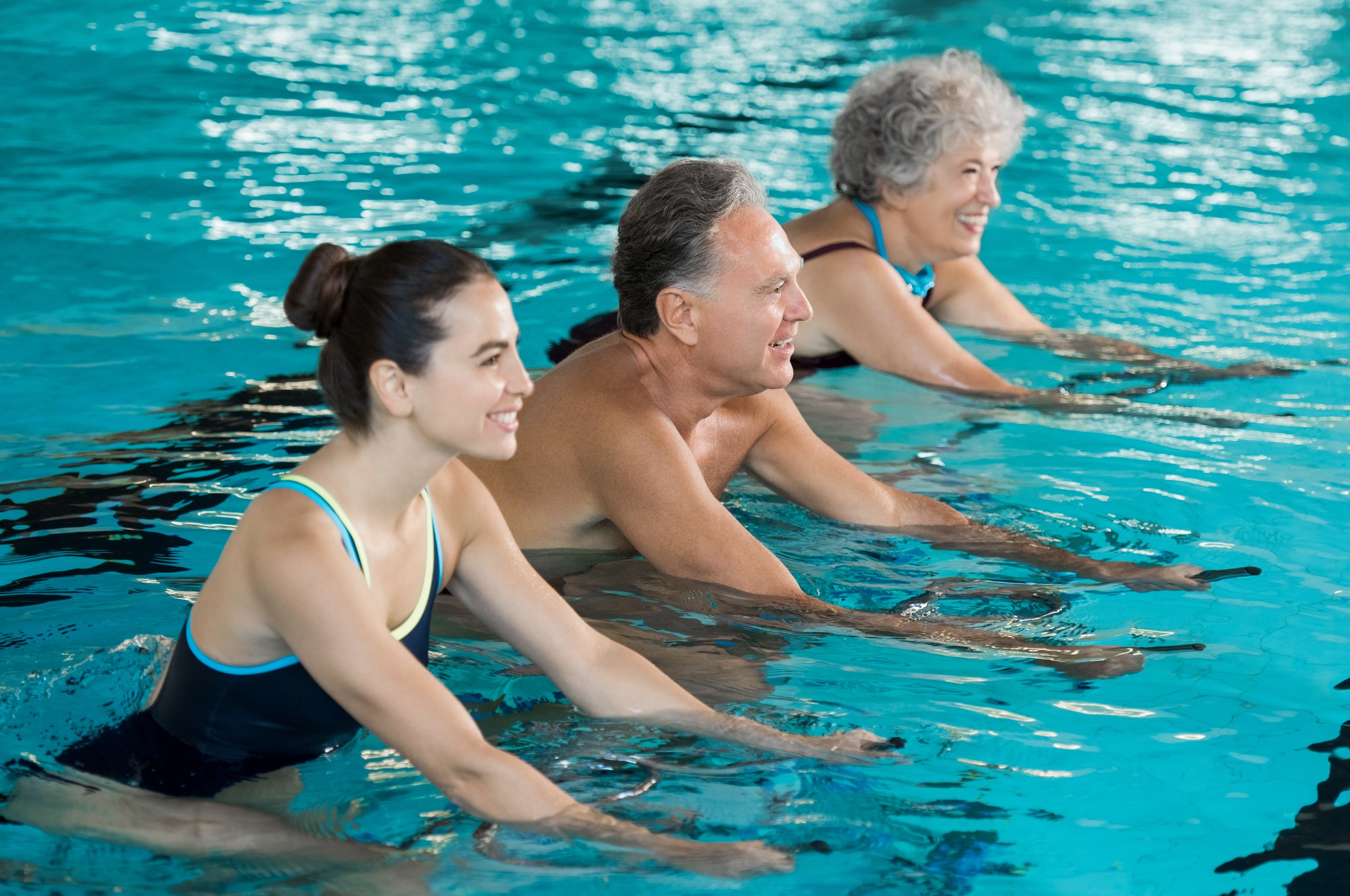
- Underwater bikes: Build strength and endurance without impact stress
- Underwater treadmills: Practice walking and running patterns with reduced body weight
- Resistance training equipment: Strengthen supporting muscles safely
That word "resistance" is important because it's what builds muscle. Working against gravity is a form of resistance training, as are pushing pedals and going through a running motion on a treadmill. What water does is cushion these movements. You don't want any jarring and jolting at this stage, just steady, progressive movement.
Your trained, qualified instructor will supervise you and ensure that you're getting the right amount of exercise. You'll put in the required effort but do it safely. We track your progress carefully, adjusting the program as your strength and confidence build.

Phase 3: Advanced Training and Return to Sport Prep (Months 3-6)
After the initial three months or so of consistent training, there comes a point where it's safe to step up the intensity and gravitate to normal exercise on dry land. This phase focuses on sport-specific movements and higher-level functional activities.
You'll work on agility drills, jumping and landing mechanics, and directional changes. These are the movements that stress the ACL in real-world situations. You need to retrain your body to perform them with proper mechanics that protect your knee.
For athletes, this phase includes:
- Plyometric training: Jumping and explosive movements with proper form
- Sport-specific drills: Movements unique to your particular activity
- Balance and proprioception work: Retraining your body's awareness of knee position
- Psychological preparation: Building confidence to trust your knee again
Once this stage has been successfully accomplished, if you are an athlete, you can get back onto the field or into the basketball gym and start doing what you love again. But this return must be gradual and carefully monitored.
Why Aquatic Therapy Accelerates ACL Recovery
The temptation to overdo things can derail the progress of even a very fit individual, so it's vital to have patience. There will come a time when you can be pounding the roads again to build up all-round fitness and stamina. But as an intermediate stage, aquatic therapy (also known as hydrotherapy) helps you keep the process under control.
Water's natural attributes play a moderator's role in getting you firing on all cylinders again while keeping you safe. The buoyancy reduces stress on the healing ligament. The resistance builds strength without impact. The warmth reduces muscle tension and increases blood flow to healing tissues.
Traditional land-based therapy is essential and effective, but it comes with risks in the early stages. A misstep, a moment of lost balance, or pushing too hard can damage the repair. Water provides a margin of safety that allows you to work harder, sooner, with less risk.
ACL recovery is challenging, but aquatic therapy is perfect for it. The combination of reduced gravity, natural resistance, and warm temperature creates an ideal environment for rebuilding strength and confidence.
Lose Weight And Get Lean With Impact Free Aquatic Exercise Training At Our Leading Aquatics Fitness Center
Register now and discover how you can burn up to 800 calories in one session, lose weight and get lean while improving your injuries, cardiovascular endurance and flexibility without putting unnecessary pressure on your joints.
Our Scientifically Proven Method Can Help You Reach Peak Fitness Without Putting Unnecessary Pressure On Your Joints
Aquatic Performance Training is on a mission to revolutionize aquatic rehabilitation, exercise physiology, and performance training by educating clients and health professionals on the correct use and methods of aquatic training.
Final Clearance: Preparing for a Safe Return to Play
Eventually, there will come a day when you're ready to get back to normal. It's natural for a recovered ACL patient to be hesitant and nervous. The psychological component of ACL recovery is often underestimated. You've spent months protecting your knee. Now you need to trust it again.
Your therapist will conduct specific tests to determine readiness:
- Strength testing: Your injured leg should be at least 90% as strong as your uninjured leg
- Hop tests: Single-leg hopping in multiple directions demonstrates functional ability
- Agility assessments: Your ability to cut, pivot, and change direction safely
- Confidence evaluation: Your mental readiness to return to full activity
Passing these tests doesn't mean you're immediately back to pre-injury performance. You'll need time to rebuild sport-specific fitness and timing. But you'll have the foundation for a safe return.
In time, you'll see that everything is as it should be, as it was before your injury. You'll be as good as new, back in the intensity of sport. Or, if you're not the sporty type and picked up your ACL issue another way, you can just get on with your life as normal.
The Complete Recovery Picture
The wonders of medical science backed up by careful, professional rehabilitation have helped restore many athletes from despair to elation. It can get you back out there where you belong.
Success in ACL rehabilitation requires multiple elements working together. Excellent surgery provides the foundation. Expert physical therapy guides the rebuilding process. Aquatic therapy accelerates early recovery safely. Your own dedication and patience complete the picture.
At Aquatic Performance Training Lawrenceville and Monroe, we've guided countless athletes and active individuals through ACL recovery. We understand the physical challenges and the mental frustration. Our combination of traditional therapy and innovative aquatic approaches gives you every tool for successful recovery.
Your ACL injury was a setback, not an ending. With proper care, appropriate therapy, and time, you'll return to the activities you love. The journey takes months, but the destination is worth it: a strong, stable knee ready for whatever challenges you throw at it.