
Sports Rehabilitation in New Jersey
Advanced Sports Rehabilitation for Athletes in New Jersey
As an athlete, your body is your livelihood. Your sport is what you do, and there may be equipment involved, but it's your body and your brain that make you unique. That's why serious injury is your worst nightmare, and why you need the very best sports rehabilitation you can get. In New Jersey, that means Aquatic Performance Training (you can call us APT).
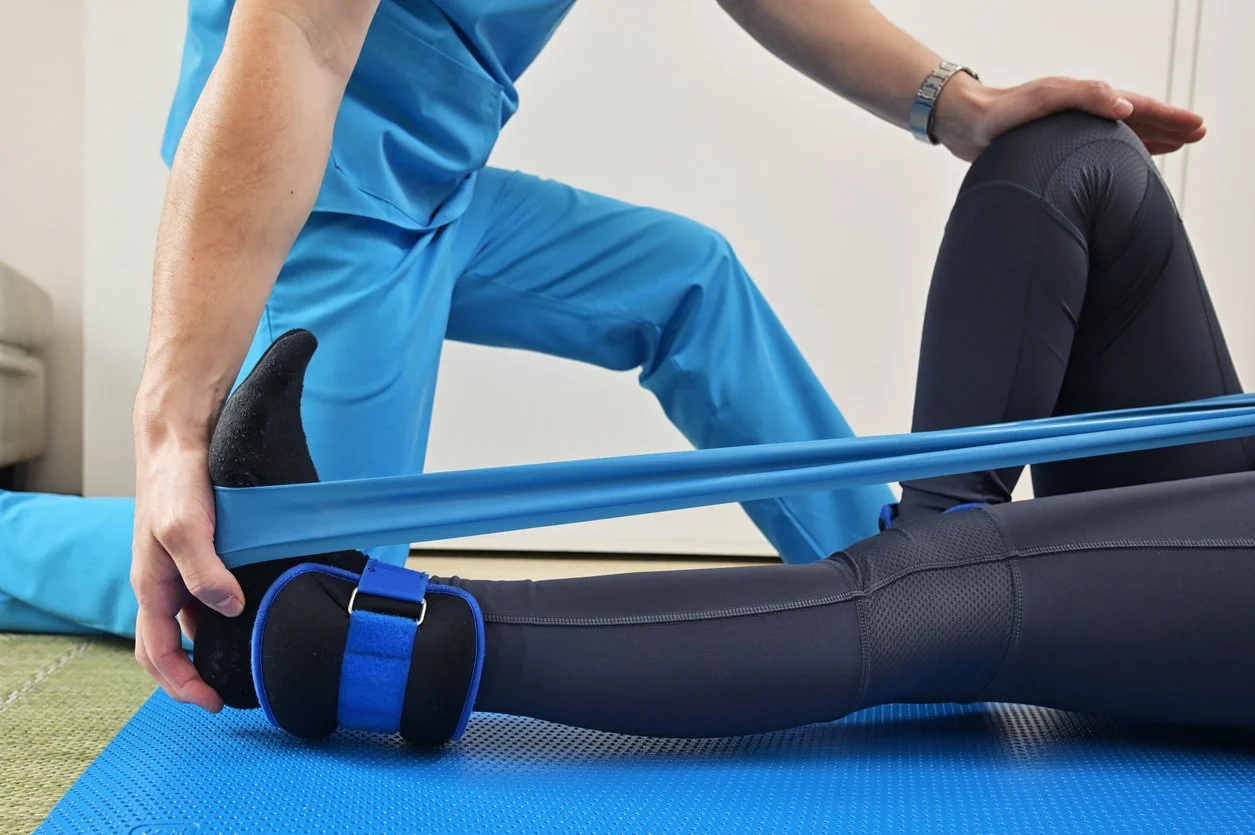
The name of our company tells you something about what we do and how we do it. We're leaders in sports rehabilitation, and aquatic work is an important part of our effectiveness.
In sport, everyone is looking for a competitive advantage, and it's the same in business. This is ours. It's what enables us to take <strong>sports rehab to another level.
Before we get to our specialty, let's look at the fundamentals. That's what we did when we entered this field. We studied the basics. Our founder had plenty of time to do this because he was struggling with injuries that eventually led to a shoulder replacement at age 19. That's enough to make anybody think long and hard.
After working through the initial shock and frustration, he resolved to do something positive. That led to starting a company to provide advanced sports rehabilitation in New Jersey.
Conventional physical therapy wasn't getting the results he wanted, and it certainly wasn't doing it fast enough. Then water entered the picture, and it showed promise, but it wasn't professional enough. It wasn't pushing hard enough in the spirit of professional sport. APT took the general idea and developed it into physical therapy fit for top professionals.
The Phases of Sport-Specific Injury Recovery
Picking up a major injury is distressing, and the first stage is accepting it and resolving to get it fixed quickly and permanently.
Phase 1: Acute Recovery and Protection (Days to Weeks)
Depending on what exactly the injury is, you could be in the hospital for a few days while the initial trauma settles down. If there's tissue healing to be done, you have to allow that to happen. That means avoiding stress on the afflicted part.
During this phase:
- Rest and protection: The injured area needs time for initial healing
- Pain and inflammation management: Ice, elevation, and medication control swelling
- Maintain overall fitness: Work on uninjured areas to prevent deconditioning
- Mental preparation: Begin thinking about the recovery journey ahead

Phase 2: Controlled Mobilization and Early Strengthening (Weeks to Months)
This phase involves getting movement going again in a controlled way that absolutely avoids making matters worse. This can be difficult to judge. As the owner-operator of your body but not a trained therapist, you're acutely aware of the pain and discomfort. As much as you want to approach this practically and proactively, you don't know how much to push yourself.
This is where your expert comes in. Your personal trainer has seen similar injuries and knows how to pitch the intensity of the program. They'll get you going and keep the trend moving upward while being aware of the need to ease back if they spot warning signs. Recovery comes with potential setbacks, and you have to strike the right balance.
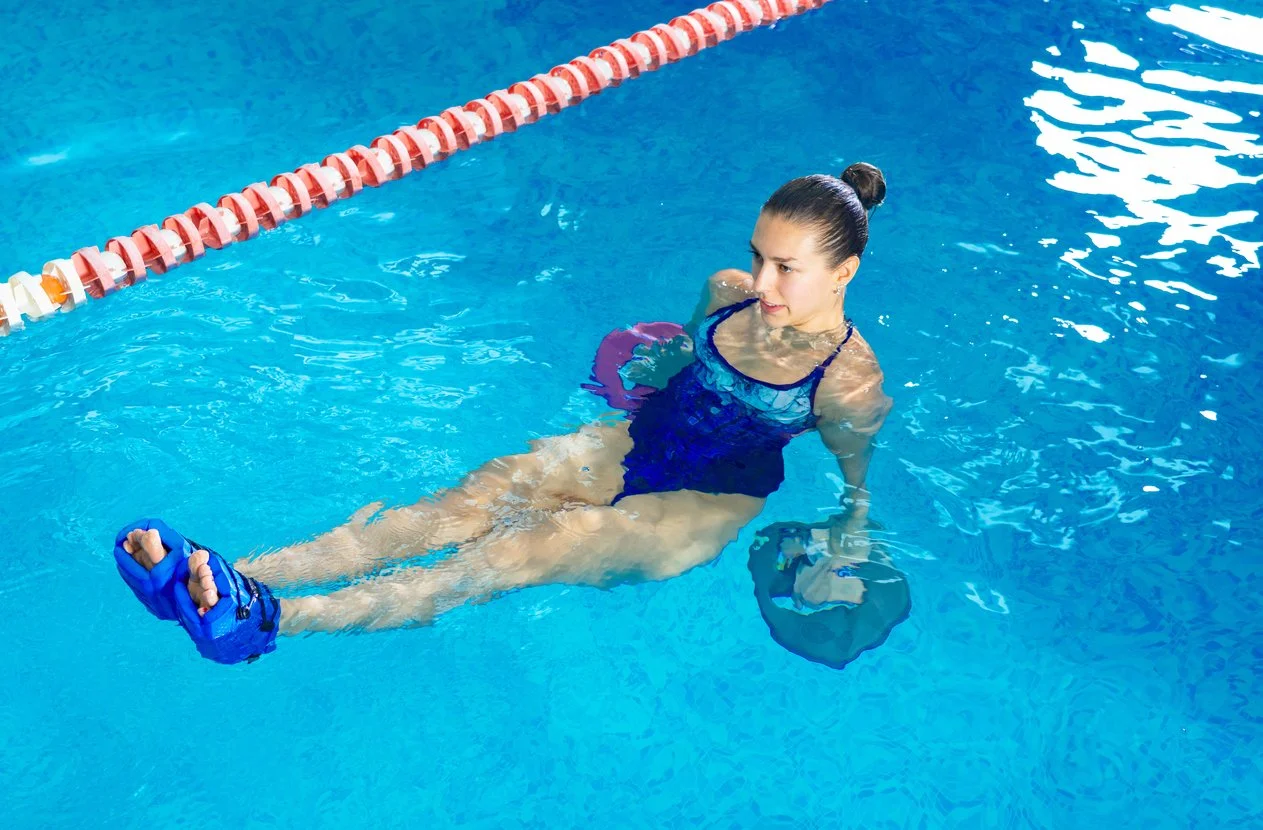
Water therapy becomes invaluable during this phase. The supportive environment allows earlier mobilization than would be safe on land. You can start rebuilding strength and practicing movement patterns weeks earlier than traditional therapy would permit.
Phase 3: Advanced Strengthening and Sport-Specific Training (Months)
This phase begins with the happy day when you can get back to some full-on training. You'll still be some way from match fitness, but you're not walking on eggshells anymore.
Training focuses on:
- Progressive resistance training: Building strength back to pre-injury levels
- Sport-specific movements: Retraining the exact patterns your sport requires
- Speed and power development: Regaining explosive ability safely
- Endurance building: Restoring cardiovascular fitness for competition
Phase 4: Return to Competition (Months)
Eventually, you reach the phase when you can get back out there in the thick of it, building up your mental readiness and honing the sharpness that makes you the athlete you are. This phase isn't just about physical capability. It's about confidence, timing, and competitive mindset.
Sports injury prevention is not an exact science, but there are plenty of good habits to develop and maintain. While fitness coaches will be hot on these, self-discipline is key.
Essential Prevention Strategies
Never skip warm-up or cool-down routines. To skip these because no one is looking is cheating yourself and asking for trouble. Your muscles need preparation before intense work and proper recovery afterward.
Embrace recovery protocols. Don't like ice baths? Nobody does, but they're necessary. Cold therapy, compression, and proper rest between sessions aren't optional. They're essential for preventing overuse injuries.
Monitor your training load. More isn't always better. Overtraining breaks down your body faster than it can rebuild. Listen to your body and respect the signals it sends.
Maintain overall fitness. Weak links in your kinetic chain create injury risk. If your core is weak, your knees compensate. If your hip flexors are tight, your back pays the price.
Lifestyle Factors
There are more general aspects of self-discipline, such as what you do in your spare time. Be your own taskmaster. Don't give in to the temptation of ignoring the fundamentals:
- Sleep: Recovery happens during sleep. Shortchange sleep and you shortchange recovery.
- Nutrition: Your body rebuilds itself from what you feed it. Quality matters.
- Stress management: Chronic stress impairs healing and increases injury risk.
- Hydration: Proper fluid balance affects tissue health and recovery speed.
Your injury demonstrates that you have a duty to take care of your body. It's the only one you get.
Sports Injury Prevention and Performance Enhancement
Why Aquatic Training is the Ultimate Tool for Sports Recovery
Back to the aquatic training theme. Here's why it's so effective.
The 3 Key Advantages
- Warm water relaxes muscles. That's a very basic first consideration. Warm muscles are happy muscles, and they're less likely to get damaged than tense ones. The warmth also increases blood flow to healing tissues, accelerating recovery.
- Support is another key benefit. Water provides a cushion that can prevent sharp, jarring movements and therefore avoid stress. This is especially crucial in early recovery when tissues are still healing. You can train harder, sooner, with less risk.
- Resistance builds strength safely. You know how difficult it is to run in water. That's because it resists movement, gently but firmly, and you can use this resistance to your advantage. Unlike weights that stress joints, water resistance is smooth, multidirectional, and adjustable based on how hard you push.
Our Aquatic Training Centers
In our aquatic training centers, you'll find underwater gyms stocked with exercise bikes, treadmills, and similar equipment. You can get serious exercise with minimal shocks to the joints and any vulnerable parts. With expert supervision from our trained therapists, you can give it genuine effort in complete safety.
The equipment allows you to:
- Practice sport-specific movements in a protected environment
- Build strength without the impact that could damage healing tissues
- Maintain cardiovascular fitness throughout recovery
- Train your nervous system with proper movement patterns
Common Sports Injuries We Successfully Treat
We deal with the full spectrum of athletic injuries regularly, and we know how they respond to therapy:
Acute Injuries
- Strains and sprains: Muscle and ligament damage from sudden forces
- Muscle tears: Partial or complete ruptures requiring careful rebuilding
- Ligament injuries: Including the dreaded ACL tear
- Fractures: Rebuilding strength and function after bone healing
Overuse Injuries
- Tendinitis: Inflammation from repetitive stress
- Stress fractures: Microscopic bone damage from accumulated impact
- Bursitis: Joint inflammation from repetitive movement
- Muscle imbalances: Chronic weakness or tightness affecting performance
Post-Surgical Rehabilitation
- Joint repairs: Following arthroscopic or open procedures
- Reconstructive surgery: ACL, rotator cuff, and other major repairs
- Joint replacements: For severe damage or arthritis
If you're recovering from a fracture, your body will do the healing work, and we'll help you get back to peak fitness when the bones are solid again. Building muscle following a period of enforced inactivity is something we excel at. The aquatic environment allows us to start strength work earlier and progress it faster than traditional methods.
Start Your Comeback in Lawrenceville or Monroe, NJ
When you join APT, you're not just getting therapy. You're getting:
Comprehensive evaluation: We assess your injury, your sport's demands, and your personal goals to create a customized plan.
Expert guidance: Our therapists understand athletic performance and injury mechanics. We speak your language.
Progressive programming: Your plan evolves as you heal, constantly challenging you appropriately.
Performance focus: We don't just get you back to normal. We get you back to competition-ready.
Competitive environment: Train alongside other athletes who understand your drive and determination.
Your Success Story Starts Now
Every athlete we work with has a story. An injury that seemed devastating. Doubts about whether they'd ever compete again. Frustration with slow progress. Then the turning point when they found APT and discovered what's possible with the right approach.
Your story doesn't end with injury. It includes the comeback chapter, the triumph of returning stronger than before. Champions aren't defined by never falling. They're defined by how they get back up.
Contact Aquatic Performance Training today. Your comeback starts now.