How Aquatic Therapy & Workouts Improve Mobility for Seniors
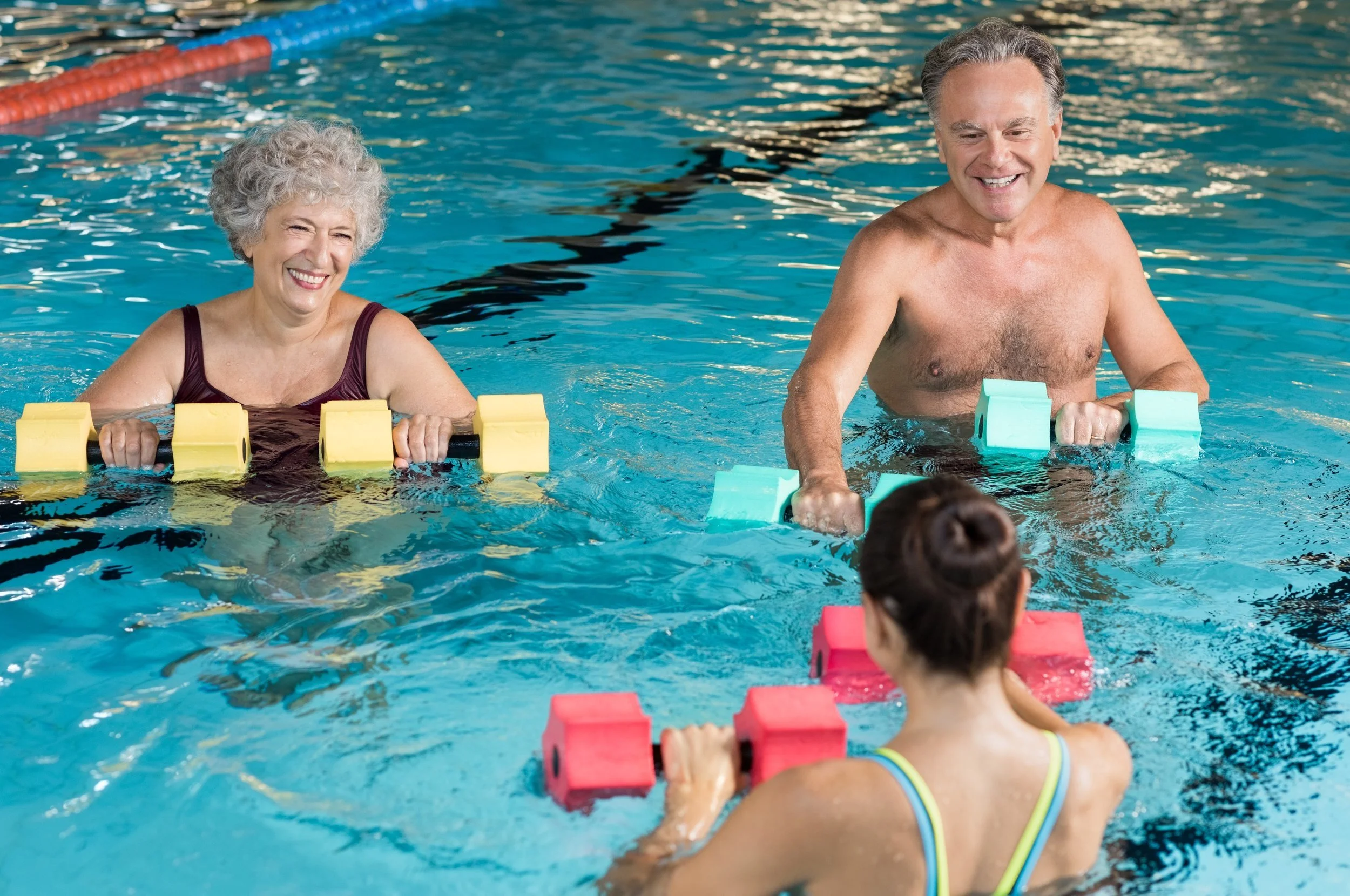
Aquatic therapy provides seniors with a safe, low-impact exercise environment that improves cardiovascular health, mobility, flexibility, and muscle strength while reducing joint pain. Research shows water-based exercises significantly enhance balance and reduce fall risk in older adults. With buoyancy reducing body weight by up to 90%, warm water therapy relieves chronic pain conditions like arthritis while building functional strength. Qualified instructors at Aquatic Performance Training deliver evidence-based programs tailored to individual abilities and health conditions.
Working out in water can be incredibly powerful for seniors because it is an excellent tool for maintaining and restoring mobility. It can be simple light exercise, but it can be appropriately intensified by a skilled and knowledgeable trainer.
Common concerns for seniors may include joint pain and stiffness, decreased balance and a loss of strength over time. Water can enable safe and effective movement for all, including those in the later stages of life. Aquatic Performance Training delivers aquatic programs that are informed by physiological expertise and extensive research in aquatic therapies.
4 Benefits of Aquatic Therapy and Swimming
1. Improvements in cardiovascular health
Swimming works out the whole body, including the cardiovascular system. Heart health can be dramatically improved by regular water workouts. Regular swimming can decrease the risk of cardiovascular conditions often associated with old age, including high blood pressure and heart disease.
2. Increase to mobility and flexibility
Aquatic therapies take place in a low-impact environment which targets both mobility and flexibility. Water resistance strengthens muscles without putting undue strain on joints, which is especially beneficial to those with limited mobility due to arthritis or other conditions. According to research published by the National Institutes of Health, aquatic physical therapy exercises demonstrate significant improvements in balance, gait, and quality of life for older adults, with studies showing particular effectiveness when programs extend beyond 12 weeks.
3. Pain relief
Working out in warm water can be very soothing to sore muscles and joints. Many seniors find it very comfortable to have sore joints supported in water, providing relief and comfort even for those with chronic pain conditions.
4. Increased muscle strength
Water resistance can build muscle strength for seniors without the need for weight training. Building and maintaining muscle can prevent falls in older adults and improve the overall function of many key muscle groups. The Centers for Disease Control and Prevention reports that over 14 million older adults (1 in 4) fall each year, making fall prevention through strength and balance training critically important.
Specific Aquatic Therapies
Therapeutic walking and specialized gait training can target forward, backward and lateral movements.
Balance and stability can be improved by practicing single leg stances and repeating drills that target the core muscles and posture control.
You can train muscle strength in the pool by trying different upper and lower body resistance exercises. Water dumbbells and pool turbulence can support in building muscle tone and strength.
Flexibility can be increased over time with gentle stretching. This is enhanced by the effects of warm water which eases muscular tension.
Sitting and standing simulations can build functional movement patterns for seniors, and step training can support movement in daily activities out of the pool.
Individual progression is vitally important for older adults. Skilled trainers should work with your ability and goals to support your gradual improvement over time.
Safety in the Pool for Seniors
Water is a largely safe workout environment due to the reduced risk of falls and the greater support provided to the body simply by being in the water. There are some specific risks to seniors that must be considered. We are well aware of them at Aquatic Performance Training and keep them in mind for all seniors exercising with us.
Our qualified instructors provide excellent supervision and have strong knowledge of a number of age-related conditions. We make adjustments to the workout environment including pool temperature, gradual entry and exit to the pool and encouraging use of handrails or floatation aids as appropriate.
We are committed to workout safety, but we never compromise on exercise effectiveness. Trainers consider individual health and wellbeing alongside workout aims, taking detailed medical histories and considering mobility limitations to ensure our clients are taken care of. Studies have shown that aquatic therapy environments reduce fall risk while improving physical functioning, making them ideal for seniors with balance concerns or fear of falling.
Conclusion
Working out in water can offer seniors an increase to their mobility and movement independence, leading to long-term improvements to bodily confidence. If you are considering aquatic training, choose a structured and research affirmed program with specialist trainers at Aquatic Performance Training. We are leaders in senior water workouts, delivering age-appropriate, progressive exercise programs to restore mobility, flexibility and overall quality of life.
Frequently Asked Questions (FAQs)
Is aquatic therapy safe for seniors with limited mobility?
Yes, aquatic therapy is one of the safest exercise options for seniors with limited mobility. The buoyancy of water reduces body weight by up to 90%, significantly decreasing stress on joints and lowering fall risk. Qualified instructors adapt exercises to individual abilities and health conditions, making water-based therapy accessible even for those with severe mobility limitations or chronic conditions like arthritis.
How often should seniors participate in aquatic therapy to see results?
Research indicates that 2-3 sessions per week yield the best results for seniors. Programs lasting 12 weeks or longer show significant improvements in balance, strength, flexibility, and overall functional capacity. Each session typically lasts 45-60 minutes, including warm-up, main exercises, and cool-down periods. Consistency is key to achieving lasting benefits.
What conditions can aquatic therapy help treat in older adults?
Aquatic therapy effectively treats multiple age-related conditions including osteoarthritis, chronic pain, reduced balance and coordination, muscle weakness, cardiovascular issues, and post-surgical rehabilitation. The warm water environment (typically 26-28°C) reduces inflammation, eases joint stiffness, and provides pain relief while allowing therapeutic movement that may be difficult on land.
Do I need to know how to swim to participate in aquatic therapy?
No, swimming ability is not required for aquatic therapy. Most therapeutic pools are shallow enough (1.2-1.5 meters deep) for participants to stand comfortably. Exercises focus on walking, balance training, strength building, and flexibility work rather than swimming. Flotation aids and handrails are available for additional support, and instructors provide close supervision throughout sessions.
How does aquatic therapy compare to land-based exercise for fall prevention?
Aquatic therapy offers unique advantages for fall prevention. The supportive water environment allows seniors to practice balance exercises without fear of injury from falling. Research demonstrates that aquatic exercise significantly improves dynamic balance and reduces fall risk, with some studies showing results comparable to or better than land-based programs, particularly for individuals who struggle with traditional exercises due to pain, instability, or fear of falling.
What should I bring to my first aquatic therapy session?
Bring a swimsuit, towel, and water-resistant footwear for pool entry and exit. Some facilities provide water exercise equipment, but check beforehand. Arrive a few minutes early to discuss any health concerns or medications with your instructor. Avoid eating a large meal immediately before your session, and bring water to stay hydrated. Your trainer will assess your abilities and customize the program to your needs during your first visit.