
Physical Therapy for Shoulder Joint in New Jersey
The Path to Recovery: Physical Therapy After Shoulder Joint Replacement
The shoulder joint is remarkably complex, and it needs to be. It gives us an incredible range of movement that few other joints can match. The shoulder enables us to throw a football, javelin, or discus, each requiring different mechanics to launch an object up and away. It facilitates all the different swimming strokes, from the crawling motion of freestyle and the sweeping movement of breaststroke to the powerful drive of butterfly.
The shoulder is also used as a battering ram in some sports and in normal life. In other words, the shoulder gives us tremendous abilities and takes a beating in the process.

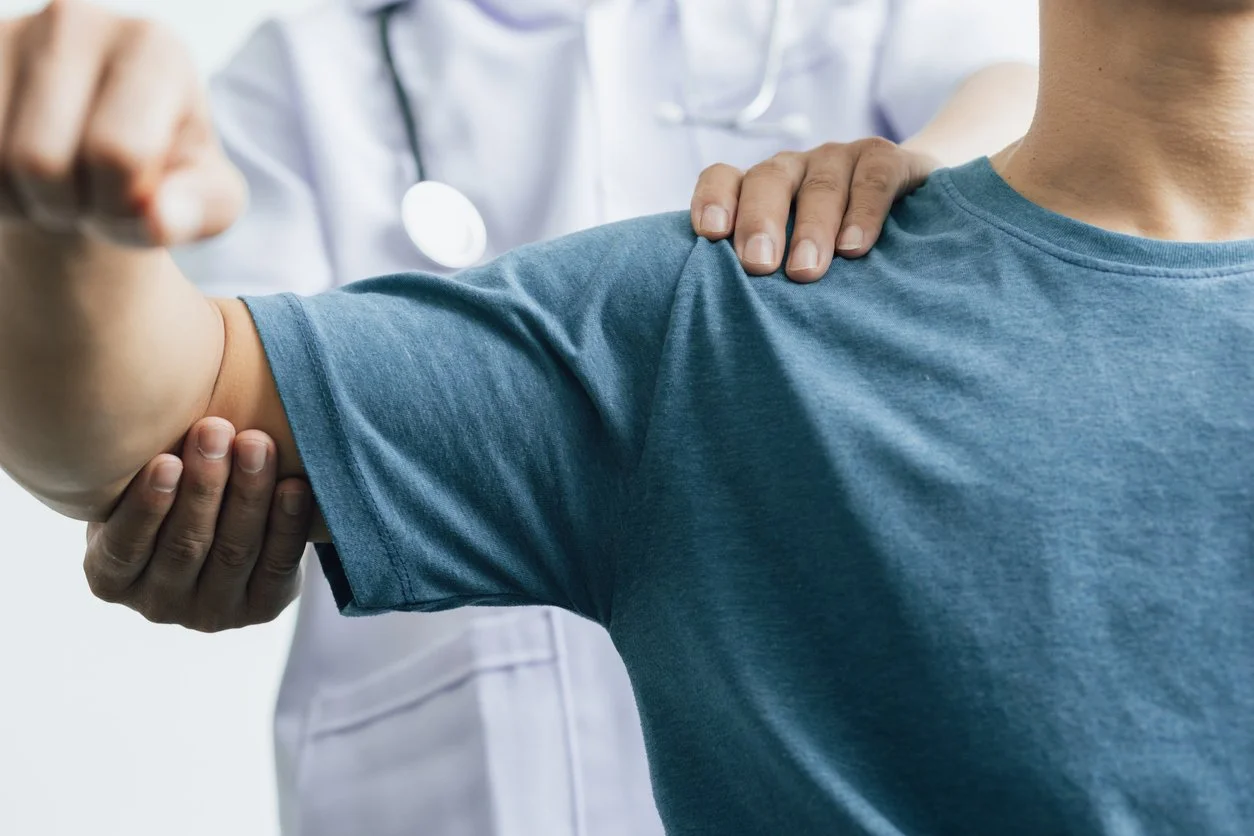
To make all this possible requires incredible mobility. The joint needs protection, which is why it's augmented by structures like the rotator cuff, a sleeve of muscles and tendons designed to hold the mechanism in place. Ligaments and various pieces of tissue connect and insulate other parts. If we were to design a shoulder for a manufactured human, we'd use tough artificial materials, some flexible and others solid, all working together to produce cohesive movements.
The remarkable thing about the human body is its ability to heal itself, up to a point. When a shoulder is badly damaged, it may need replacement. Recovery from shoulder surgery can be a long process. Physical therapy after shoulder joint replacement is complex and can only be achieved with help from a trained, qualified physical therapist.
Understanding Your Shoulder: Types of Joint Replacement

Your doctor and surgeon will have explained which type of procedure you're having. There are three main types:
- Anatomic total shoulder replacement: Replaces the ball and socket, which may have become damaged beyond the point where it can heal naturally
- Reverse total shoulder replacement: Rearranges the ball and socket structure to help when the rotator cuff is damaged
- Partial shoulder replacement (hemiarthroplasty): Replaces only the ball part of the joint
These procedures may look and sound complicated, but you'll be in the hands of a skilled surgeon. Like many things in life, you trust an expert and play your part in the recovery and rehabilitation process.
Immediate Post-Surgical Phase: Protecting Your New Joint (Weeks 1-6)
Shoulder surgery can be carried out under general anesthetic or regional (also called local) anesthetic, which prevents pain in a specific area. You'll be in hospital for several days. If you had a regional anesthetic, you'll have no feeling in your shoulder for several hours after the procedure until it wears off.
Your arm will be in a sling at first to protect it while the crucial early stages of healing take place. This immobilization is essential. Your body is doing critical repair work, and movement too soon can compromise healing.
When you're allowed to leave hospital and return home, this is where recovery truly begins, but it starts gradually and with extreme care. You'll receive detailed instructions on what to do and what to avoid. It's essential to give your body time to heal before you try to use the shoulder normally.
During these first weeks, focus on:
- Following sling protocols: Wear your sling exactly as instructed
- Managing pain and swelling: Take prescribed medications on schedule
- Gentle pendulum exercises: Small movements that promote circulation without stressing the joint
- Monitoring for complications: Watch for signs of infection or unusual pain
Patience during this phase sets the foundation for successful long-term recovery. Rushing this stage is one of the most common mistakes patients make.

Rebuilding Mobility: Restoring Active Range of Motion (Weeks 6-12)
Full recovery comes in due course under your physical therapist's supervision, with scheduled visits to the hospital so the surgeon can monitor your progress. Exercises will be gentle at first because although you need to regain strength, natural healing is still occurring inside the joint.
This phase focuses on gradually expanding your range of motion. You'll work on reaching, lifting, and rotating movements that felt impossible just weeks earlier. The goal isn't to push through pain but to work at the edge of your comfort zone, gradually expanding what you can do.
Water therapy becomes especially valuable during this phase. The warm water relaxes muscles that want to guard and protect the healing shoulder. The buoyancy supports your arm's weight, allowing you to practice movements that would be too difficult or painful on land.
Strength & Full Function: The Advanced Rehabilitation Phase (Weeks 12+)
A feeling of relief comes as the post-procedure discomfort fades away and natural movement returns. During the whole process, it's imperative that you stick to the types and levels of activities your therapist advises.
Pushing yourself too hard can be counterproductive. Do the exercises as instructed and let time do its work too. This phase is about building real functional strength, not just range of motion. You'll progress from simple resistance exercises to more complex movements that mimic real-world activities.
Your therapist will introduce exercises that challenge the shoulder in multiple directions and positions. You'll work on overhead reaching, behind-the-back movements, pushing, pulling, and lifting patterns. Each exercise has a purpose in rebuilding the coordinated strength your shoulder needs for daily life.
The Advantage of Warm-Water Aquatic Therapy for Shoulder Rehab
Warm-water aquatic therapy is ideal for shoulder rehabilitation, just as it is for other joint replacements. There are three main reasons for this.
- First, the temperature of the water relaxes the muscles and encourages natural movement. Tense muscles restrict range of motion and make exercises more painful. Warm water provides a soothing environment that allows your shoulder to move more freely.
- Second, water protects limbs by slowing and cushioning movements. There's no jarring and jolting underwater because the viscosity or "thickness" of the water doesn't permit it. This is crucial for a joint as mobile and complex as the shoulder. Any sudden, sharp movement could damage healing tissues or create compensatory injuries elsewhere.
- Third, that very resistance the water provides also helps build strength. It enables very low-level resistance training, so muscles can get working again and the moving parts of the shoulder can get gentle action. Unlike weights or resistance bands that pull in one direction, water resistance is multidirectional. Move your arm in any direction and you encounter smooth, consistent opposition.
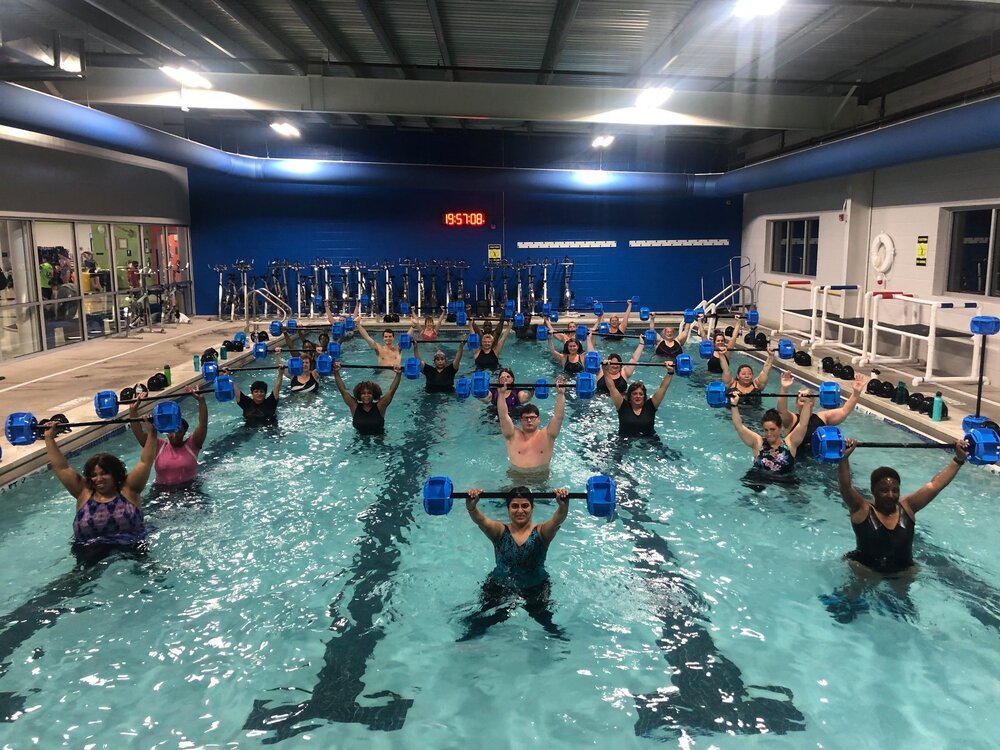
At one of our Aquatic Performance Training centers (Lawrenceville & Monroe Township), you'll find fitness equipment designed for underwater use. In a warm, safe environment with expert supervision, you can use underwater bikes and treadmills. While these are designed primarily for lower limb work, including recovery from knee and hip replacements, they also help you get active again after having to be so careful and still in the first part of your recovery.
The whole-body activity these machines provide helps maintain cardiovascular fitness and overall strength while your shoulder continues its specific rehabilitation work.
Your Success Timeline & What to Expect
Your Aquatic Performance Training therapist will guide you through your shoulder joint replacement physical therapy, keeping your progress steady and only increasing intensity within safe parameters.
Even among top athletes, some heal faster than others. Some are better patients than others, doing the work as prescribed and neither slacking nor overdoing things. Your recovery timeline depends on multiple factors:
- The type of replacement you had: Partial replacements typically recover faster than full replacements
- Your age and overall health: Younger, healthier patients often heal more quickly
- Your commitment to the program: Consistent effort produces better results
- Your pre-surgery condition: How long you lived with shoulder problems affects recovery
Within six months, most people are back to full fitness thanks to their physical therapy for shoulder joint replacements. You could be ahead of schedule or slightly behind. What really matters is that you get the shoulder working perfectly. If the process is carried out carefully, there will be no setbacks and you can look forward to a brighter future where you're free of pain.
Lose Weight And Get Lean With Impact Free Aquatic Exercise Training At Our Leading Aquatics Fitness Center
Register now and discover how you can burn up to 800 calories in one session, lose weight and get lean while improving your injuries, cardiovascular endurance and flexibility without putting unnecessary pressure on your joints.
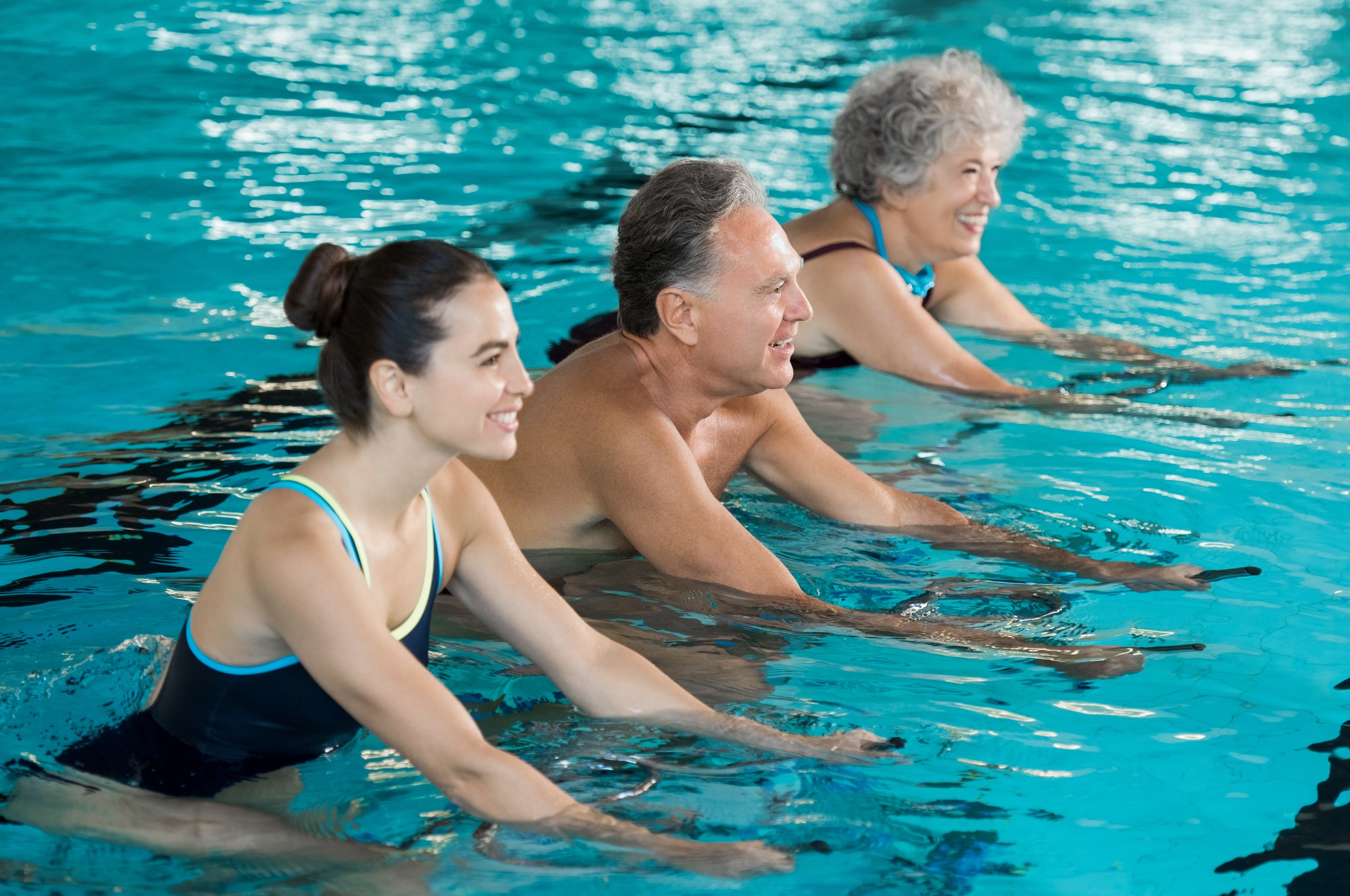
Our Scientifically Proven Method Can Help You Reach Peak Fitness Without Putting Unnecessary Pressure On Your Joints
Aquatic Performance Training is on a mission to revolutionize aquatic rehabilitation, exercise physiology, and performance training by educating clients and health professionals on the correct use and methods of aquatic training.
Moving Forward with Confidence
Shoulder replacement and the rehabilitation that follows represent a significant commitment of time and effort. But the alternative is living with chronic pain and limited function. Modern surgical techniques combined with expert physical therapy offer excellent outcomes for the vast majority of patients.
The journey from surgery to full recovery isn't always smooth. You'll have good days and frustrating days. Progress sometimes feels slow. But with professional guidance, appropriate therapy, and your own dedication, you'll get there.
At Aquatic Performance Training, we've guided hundreds of patients through shoulder replacement recovery. We understand the challenges you'll face and know how to help you overcome them. Our combination of traditional physical therapy and innovative aquatic therapy gives you every advantage for a successful recovery.
Your new shoulder represents a fresh start. With patience, proper therapy, and time, you'll regain the function you thought was lost forever.